Industrial refrigeration processes are integral to a wide array of industries, including food and beverage production, pharmaceuticals, chemicals, and logistics. These processes involve complex systems designed to maintain precise temperature conditions necessary for the storage, processing, and preservation of perishable goods and sensitive materials. At the heart of these systems lies the compressor—a critical component responsible for the circulation and pressurisation of refrigerants. This article explores in-depth the pivotal role of compressors in an industrial refrigeration process, covering their functions, types, efficiency considerations, technological advancements, challenges, and future trends.
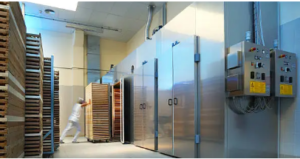 Understanding Industrial Refrigeration Processes
Industrial refrigeration systems operate on the fundamental principle of heat transfer through the refrigeration cycle. This cycle involves compressing a refrigerant gas, which raises its pressure and temperature. The high-pressure gas then releases heat as it condenses into a liquid in the condenser. The liquid refrigerant passes through an expansion valve, where its pressure drops, causing it to evaporate and absorb heat from its surroundings in the evaporator. This continuous cycle maintains the desired low temperature inside refrigerated spaces or around sensitive materials.
The Crucial Role of Compressors
Compressors are central to the refrigeration cycle, as they perform the vital task of compressing the refrigerant gas, thereby increasing its pressure and temperature. This process facilitates the release of heat absorbed during the evaporative phase, enabling efficient cooling. Compressors are categorised into two main types commonly used in industrial refrigeration:
- Reciprocating Compressors: These compressors compress refrigerant gas using pistons driven by a crankshaft. They are known for their robustness, reliability, and suitability for applications requiring high pressure and varying capacities.
- Centrifugal Compressors: Centrifugal compressors operate by accelerating refrigerant gas through a rotating impeller, converting kinetic energy into pressure energy. They are preferred for large-scale industrial applications due to their ability to handle high flow rates efficiently.
Functions and Processes
In the refrigeration cycle, after compression by the compressor, the high-pressure refrigerant gas enters the condenser, where it releases heat to the surroundings and condenses into a high-pressure liquid. This liquid refrigerant then passes through an expansion valve, which reduces its pressure, causing it to evaporate and absorb heat from its surroundings in the evaporator. The cycle repeats continuously to maintain the desired cooling effect within the refrigerated space or around sensitive materials.
Efficiency Considerations
Efficiency is a critical factor in industrial refrigeration process systems, directly impacting operational costs and environmental sustainability. Compressors play a significant role in determining the overall efficiency of the system. Several factors influence compressor efficiency:
- Capacity Control: Efficient capacity control mechanisms, such as variable speed drives (VSDs) or multiple compressor stages, adjust compressor output according to varying cooling demands. It minimises energy consumption during periods of low demand.
- Energy Consumption: Modern compressors use energy-efficient technologies, including improved motor designs, advanced materials, and sophisticated control systems. These innovations reduce energy losses and optimise overall system performance.
- Maintenance: Regular maintenance is essential to ensure compressors operate at peak efficiency. It includes monitoring lubrication levels, checking for leaks, and replacing worn-out components promptly.
Technological Advancements
Advancements in compressor technology continue to drive improvements in efficiency, reliability, and environmental sustainability:
- Oil-Free Compressors: Oil-free compressors eliminate the need for lubricating oil in the compression chamber, reducing maintenance requirements and the risk of oil contamination in the refrigerant circuit.
- Digital Controls and Monitoring: Integrated digital controls enable precise monitoring of compressor performance and real-time adjustments to optimise efficiency and reliability. Advanced algorithms and predictive analytics help identify potential issues before they escalate, minimising downtime and improving system reliability.
- Variable Speed Drives (VSDs): VSDs allow compressors to operate at varying speeds, matching output to fluctuating cooling demands. This capability significantly reduces energy consumption during part-load conditions, contributing to overall energy efficiency.
Conclusion
In conclusion, compressors play a pivotal role in an industrial refrigeration process, driving efficiency, reliability, and performance across diverse industries. Understanding their function, selecting the appropriate type based on application requirements, and implementing best practices for maintenance and efficiency are crucial steps toward achieving optimal system operation. As industries continue to innovate and prioritise energy efficiency and sustainability, the evolution of compressor technology will play a central role in shaping the future of industrial refrigeration processes.