Your dog’s health and well-being are of the utmost importance as a cherished member of your family. Similar to humans, dogs can encounter mobility challenges stemming from factors like aging, injuries, or chronic conditions. Thankfully, veterinary care encompasses specialised experts called dog physical therapists like Canine PT and Me dog physical therapist near me, who are pivotal in enhancing and preserving your pet’s mobility and overall quality of life.
Understanding the Role of a Dog Physical Therapist
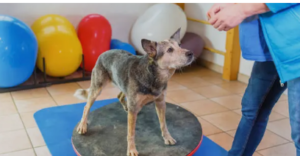 A dog physical therapist is a fully licensed professional trained to evaluate and treat musculoskeletal and neurological conditions in dogs. Their primary goal is to enhance a dog’s mobility, reduce pain, and facilitate recovery from injuries or surgeries. They work closely with veterinarians to create personalised treatment plans specifically tailored to each dog’s specific needs.
Assessment and Treatment
The entire journey typically begins with a comprehensive assessment. A dog physical therapist will conduct a thorough examination to assess your dog’s range of motion, strength, balance, and overall movement patterns. This evaluation effectively helps identify any underlying issues or areas of concern that may be impacting your dog’s mobility.
Based on the assessment findings, the therapist develops a customised treatment plan. This plan may significantly include a combination of therapeutic exercises, manual therapy techniques including massage or joint mobilisations, hydrotherapy (water therapy), electrotherapy (such as ultrasound or electrical stimulation), and other modalities aimed at improving mobility and reducing pain.
Conditions Treated by Dog Physical Therapists
Dog physical therapists like Canine PT and Me dog physical therapist near me can assist in the management and rehabilitation of a wide range of conditions, including:
- Orthopedic Injuries: Such as fractures, ligament tears (e.g., ACL tears), joint issues (e.g., osteoarthritis), and post-operative rehabilitation following orthopedic surgeries like hip replacements or cruciate ligament repairs.
- Neurological Conditions: Including spinal cord injuries, intervertebral disc disease (IVDD), and conditions affecting the nervous system that can impair mobility and coordination.
- Chronic Pain: Arthritis and other degenerative joint diseases that cause pain and stiffness, limiting a dog’s ability to move comfortably.
- Muscle Weakness or Imbalance: Resulting from disease, aging, or neurological conditions, which can affect a dog’s ability to maintain proper posture and move effectively.
Benefits of Dog Physical Therapy
The benefits of dog physical therapy extend beyond just improving mobility. Here are some key advantages:
- Pain Management: Therapeutic techniques such as massage and targeted exercises can help alleviate pain and discomfort associated with various musculoskeletal and neurological conditions.
- Improved Strength and Flexibility: Through structured exercises and rehabilitation programs, dogs can regain muscle strength, improve joint flexibility, and enhance their overall physical fitness.
- Faster Recovery Post-Surgery: Physical therapy plays a crucial role in the recovery process after surgical procedures. It helps dogs regain mobility, prevent complications, and accelerate healing.
- Enhanced Quality of Life: By addressing mobility issues and managing pain, physical therapy enables dogs to enjoy a higher quality of life. They can engage in activities they love without discomfort or limitations.
- Prevention of Future Issues: Physical therapists educate dog owners on proper home care techniques, exercises, and lifestyle modifications that can prevent further injury or deterioration of existing conditions.
Collaboration with Veterinarians and Owners
Effective collaboration between dog physical therapists, veterinarians, and dog owners is essential for achieving optimal outcomes. Veterinarians refer dogs to physical therapists based on their diagnosis and recommend ongoing monitoring and adjustments to treatment plans as necessary. Dog owners play a vital role in the therapeutic process by administering prescribed exercises and therapies at home and providing feedback on their pet’s progress.
Conclusion
In conclusion, a dog physical therapist like Canine PT and Me dog physical therapist near me is a valuable partner in your dog’s healthcare team, specialising in enhancing mobility and improving overall well-being. Whether your dog is recovering from surgery, managing a chronic condition, or simply experiencing age-related mobility issues, a physical therapist can provide targeted interventions to help them move more comfortably and enjoy life to the fullest.
If you notice any signs of mobility issues in your dog, such as limping, difficulty getting up or down, reluctance to exercise, or changes in gait, consult with your veterinarian about the potential benefits of dog physical therapy. Together, you can create a plan that prioritises your dog’s mobility and ensures they continue to thrive as a cherished member of your family.