Choosing the right silage covers for your Australian farm isn’t just a matter of ticking a box—it’s a critical decision that can significantly impact the quality, longevity, and nutritional value of your forage. Whether you’re in the wet climates of Tasmania or the dry plains of Western Australia, the type of silage cover you choose must be tailored to your farm’s specific conditions and operational goals. In this guide, we’ll explore the essential factors to consider when selecting the best cover to protect your silage investment.
Understand Your Farm’s Climate Conditions
Australia’s climate is incredibly diverse, ranging from humid coastal zones to arid inland regions. Climate plays a major role in determining the effectiveness of silage covers.
- Humid and wet regions (such as parts of Victoria and coastal Queensland) require silage covers with excellent water resistance and high puncture strength to withstand frequent rainfall and hail.
- Drier inland regions (like South Australia and Western NSW) may not face as much moisture, but they still require UV-stable covers that can endure long hours of sun exposure.
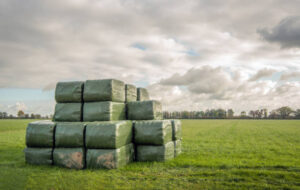
If your farm is in a region prone to high winds, ensure your silage cover can be securely fastened to avoid air pockets that lead to spoilage.
Single-Layer vs. Multi-Layer Covers
A major consideration is whether to choose single-layer or multi-layer silage covers. Multi-layer covers, typically consisting of a protective top layer and a tighter-sealing oxygen barrier beneath, offer superior preservation by dramatically reducing oxygen infiltration.
- Multi-layer systems (e.g., oxygen barrier + UV-stable top sheet) are best suited for large-scale operations or high-value silage crops like maize or lucerne.
- Single-layer covers may be sufficient for smaller operations with fast feed-out rates or for temporary storage needs, though they offer less protection against spoilage.
While multi-layer systems have a higher upfront cost, they often save money in the long run through reduced dry matter loss and improved feed quality.
Choose the Right Thickness and Material
The thickness of silage covers is typically measured in microns (µm), and the right choice depends on your stacking method and handling practices.
- Standard polyethylene covers usually range from 150 to 250 µm. Thicker covers offer better puncture resistance, particularly important when covering silage with heavy machinery or in stacks where tires are used for weighting.
- Reinforced or woven covers are more durable and can be reused across multiple seasons, which is ideal for farmers aiming for long-term value.
- If you’re dealing with rough or rocky terrain, invest in a cover with higher tear resistance and tensile strength.
For Australian farms, it’s essential to use UV-stabilised plastics to withstand long periods of intense sunlight without degrading prematurely.
Assess Storage Method and Scale
The way you store your silage—whether in bunkers, pits, clamps, or stacks—will influence the best type of silage covers for your setup.
- Bunker silos require large sheets with superior sealing capabilities along the sides and top to eliminate oxygen entry.
- Silage stacks or pits on open fields benefit from weighted covers and additional edge sealing to protect against wind uplift and animal interference.
For larger operations, using covers with pre-folded designs can make handling easier and faster, reducing labour time during application.
Consider Environmental Impact and Sustainability
As environmental awareness grows across Australian agriculture, many farmers are now seeking eco-friendly options for their silage covers.
- Recyclable covers made from mono-material polyethylene are becoming increasingly available and can be returned through local recycling programs.
- Reusable woven covers or UV-stabilised nets (used as a top layer) paired with oxygen barriers below are excellent for reducing plastic waste without compromising protection.
Look for suppliers that participate in take-back schemes or offer environmentally conscious alternatives, particularly if your farm is working toward sustainability certifications.
Supplier Support and After-Sales Service
The best silage covers are sourced from reputable suppliers who understand Australian conditions and offer support throughout the season.
Choose vendors who:
- Offer guidance on cover sizing and anchoring systems.
- Provide warranties for UV exposure and material integrity.
- Are known for reliable delivery times and after-sales customer service.
A responsive supplier is particularly valuable when facing unexpected damage or needing replacements during harvest.
Final Thoughts
Selecting the right silage covers is an investment in the quality of your forage and the overall productivity of your farm. Australian farmers must weigh multiple variables—climate, cover construction, storage methods, and sustainability—before committing to a product. By aligning your selection with your farm’s unique conditions, you ensure better preservation, reduce spoilage, and ultimately improve feed value for your livestock.
With the right silage cover in place, your hard work in producing high-quality forage will be protected, season after season.