In the vast and diverse agricultural landscape of Australia, hay production is a critical component supporting livestock farming. Central to this process is the often-overlooked yet vital material known as baler twine. This simple product plays a pivotal role in ensuring efficient, safe, and cost-effective hay baling operations. Understanding how baler twine influences the efficiency of hay production can provide Australian farmers with a competitive edge in an industry where timing, quality, and reliability matter immensely.
The Role of Baler Twine in Australian Hay Production
Baler twine is the strong, durable string used to bind hay bales securely after harvesting. Given Australia’s expansive hay farming regions—from the Riverina in New South Wales to the Darling Downs in Queensland—choosing the right baler twine is crucial for adapting to varied climatic and operational conditions.
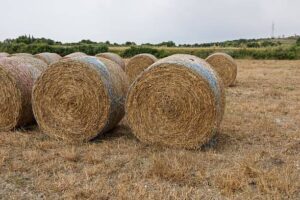
Efficient hay baling relies heavily on the twine’s strength and reliability. A failure in twine can cause bale breakage, resulting in crop loss, equipment downtime, and increased labour costs. Therefore, the type and quality of baler twine directly affect the productivity of balers and the quality of the final product.
Enhancing Operational Efficiency Through Durable Baler Twine
Australian farmers often contend with tight harvest windows dictated by weather and seasonal patterns. Within these constraints, downtime caused by baler twine breakage or malfunction can be costly. High-quality baler twine minimises these interruptions, allowing for faster and smoother baling operations.
Modern baler twine is typically made from polypropylene or polyester, offering high tensile strength and resistance to UV degradation—a key consideration in Australia’s intense sunlight conditions. This durability translates to fewer breaks during baling, less frequent machine stops, and a more continuous workflow. Ultimately, farmers can bale more hay in less time, improving overall operational efficiency.
Cost-Effectiveness and Bale Quality: Balancing Performance and Budget
While selecting the cheapest baler twine might seem like a cost-saving approach, it often results in greater expenses in the long term due to bale failure and labour inefficiencies. Australian farmers understand the importance of investing in premium baler twine that offers consistent performance.
Quality baler twine not only holds bales firmly but also contributes to maintaining bale shape and density. This is essential for hay storage and transportation, as well-formed bales reduce spoilage and loss. Additionally, well-tied bales are easier to handle mechanically, cutting down manual labour and accelerating the loading and unloading process on farms and during transport.
Adapting Baler Twine Choices to Australia’s Unique Agricultural Conditions
Australia’s wide-ranging climates—from humid subtropical zones to arid interior regions—demand specific baler twine properties. For instance, in coastal areas with higher humidity, twine with mildew resistance is valuable, while in arid zones, UV stability is paramount.
Australian suppliers have tailored baler twine products to meet these regional needs, providing options in thickness, strength, and material composition. Such customisation ensures that farmers across the country can select twine that performs optimally in their local environment, enhancing efficiency and reducing waste.
Environmental Considerations and the Future of Baler Twine in Australia
Sustainability is becoming an increasing priority in Australian agriculture. Traditional polypropylene baler twine, while effective, presents challenges in terms of biodegradability and environmental impact if not disposed of properly.
Innovations in baler twine manufacturing are focusing on eco-friendly alternatives, such as biodegradable or recyclable twine options. Australian farmers and suppliers are beginning to adopt these greener solutions, aligning efficient hay production with environmental stewardship. This shift not only benefits the planet but also aligns with the growing consumer demand for sustainably produced agricultural products.
Training and Best Practices: Maximising Baler Twine Efficiency
Even the highest-quality baler twine cannot compensate for improper baling techniques. Australian hay producers are increasingly investing in training for operators to ensure correct twine tension, knot security, and bale handling. Proper equipment maintenance combined with the right baler twine significantly reduces twine-related failures.
Farmers also benefit from staying informed about new baler twine technologies and innovations, enabling them to adapt their practices to maximise efficiency. This proactive approach helps maintain Australia’s reputation for producing top-quality hay for both domestic use and export.
Conclusion: Baler Twine as a Key Efficiency Driver in Australian Hay Production
In the dynamic and competitive field of Australian hay production, every component matters, and baler twine is no exception. Its impact extends far beyond a simple string—affecting operational efficiency, cost management, bale quality, and environmental responsibility.
By investing in the right baler twine tailored to their specific regional conditions, Australian farmers can enhance their productivity, reduce downtime, and deliver superior hay products. As the agricultural sector continues to evolve, understanding and leveraging the power of baler twine will remain essential to sustaining and advancing efficient hay production across Australia.