In the land of the long white cloud, where pristine coastlines and abundant winds reign supreme, a new form of water sport has taken flight – wing foiling. As enthusiasts flock to New Zealand’s shores to experience the thrill of gliding above the waves, there’s a growing recognition of its pivotal role in the realm of water sports education. From its accessibility to its unique learning curve, beginner wing foiling is shaping up to be not just a recreational pursuit but a fundamental component of aquatic learning in New Zealand.
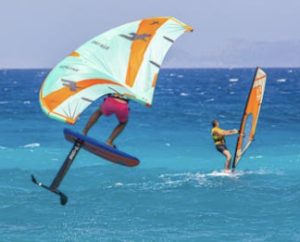 At its essence, wing foiling combines elements of windsurfing, kiteboarding, and foiling into one exhilarating experience. Riders stand on a small board, similar to a surfboard or a kiteboard, while holding onto a handheld inflatable wing that catches the wind. As the wind propels the rider forward, the hydrofoil attached to the board lifts them above the water’s surface, resulting in a smooth and almost effortless glide.
One of the most compelling aspects of beginner wing foiling is its accessibility. Unlike some water sports that require specific wind conditions or extensive equipment, wing foiling can be enjoyed in a wide range of conditions, from light breezes to stronger winds. This versatility makes it an ideal activity for learners of all ages and skill levels, opening up opportunities for individuals who may have previously felt excluded from traditional water sports due to factors like physical ability or geographic location.
Moreover, the relatively compact nature of wing foiling equipment makes it easier to transport and store compared to bulkier alternatives like windsurfing rigs or kiteboarding kites. This means that aspiring wing foilers in New Zealand can more readily access suitable equipment, whether they’re embarking on their maiden voyage at a local beach or exploring the country’s more remote coastal gems.
But perhaps the most significant aspect of beginner wing foiling’s role in water sports education lies in its unique learning curve. While mastering any new sport requires dedication and practice, beginner wing foiling offers a gentler progression compared to some of its more adrenaline-fueled counterparts. The handheld wing provides a more intuitive connection to the wind, allowing beginners to develop a feel for steering and control at their own pace.
Furthermore, the hydrofoil component of wing foiling introduces an element of stability that can help beginners build confidence as they learn to balance on the board. By gradually lifting the rider out of the water, the hydrofoil reduces the impact of choppy conditions and provides a smoother ride, mitigating some of the frustrations commonly associated with learning to stand up paddleboard or surf.
In New Zealand, where water sports are deeply ingrained in the cultural fabric, the integration of beginner wing foiling into educational programs holds immense potential. Schools and community centres can incorporate wing-foiling lessons into their curricula, introducing young learners to the joys of riding the wind and fostering a lifelong appreciation for the ocean.
Moreover, the rise of dedicated wing-foiling schools and instructors across New Zealand provides aspiring riders with access to expert guidance and support as they embark on their wing-foiling journey. From structured beginner courses to personalised coaching sessions, these resources empower learners to progress rapidly and safely, laying the foundation for a lifetime of enjoyment on the water.
But beyond the practical skills acquired through wing foiling, there are deeper lessons to be learned – lessons about resilience, adaptability, and stewardship of the environment. As riders navigate the ever-changing currents and winds, they develop a keen awareness of the natural forces at play, fostering a deep respect for the ocean and its inhabitants.
In this sense, beginner wing foiling becomes more than just a recreational pursuit; it becomes a catalyst for environmental consciousness and conservation. Through initiatives like beach clean-ups, marine life monitoring, and eco-friendly gear practices, wing foilers in New Zealand are actively contributing to the preservation of their coastal ecosystems, ensuring that future generations can continue to experience the magic of gliding across the waves.
In conclusion, the rise of beginner wing foiling in New Zealand represents a transformative shift in the landscape of water sports education. With its accessibility, versatility, and gentle learning curve, wing foiling offers aspiring riders of all ages and backgrounds an opportunity to spread their wings and take flight on the water. And as they do, they’re not just learning to ride the wind – they’re learning to fly.